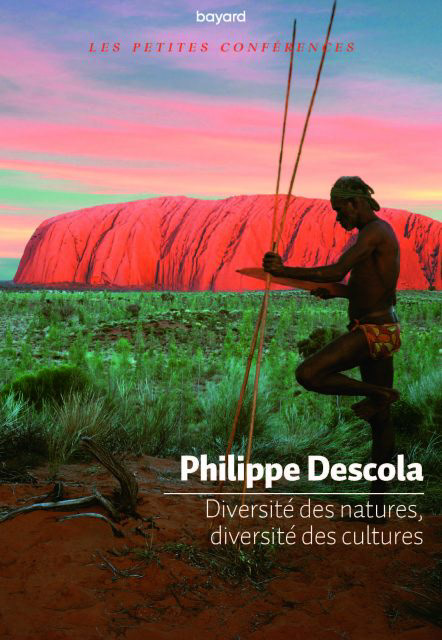
Diversité des natures, diversité des cultures
ความหลากหลายของธรรมชาติ ความหลากหลายของวัฒนธรรม
Philippe Descola, 2010)
เรียบเรียงและวิเคราะห์ โดย รศ.ดร.บัณฑิต ไกรวิจิตร
ความหลากหลายของธรรมชาติ ความหลากหลายของวัฒนธรรม
Philippe Descola, 2010)
เรียบเรียงและวิเคราะห์ โดย รศ.ดร.บัณฑิต ไกรวิจิตร
บทความชิ้นนี้เขียนขึ้นเพื่อชวนให้นักศึกษาทบทวนสมมุติฐานพื้นฐานที่เรามักคุ้นชินในมานุษยวิทยาและสังคมศาสตร์ นั่นคือการแบ่งโลกออกเป็น “ธรรมชาติ” กับ “วัฒนธรรม” ราวกับเป็นเส้นแบ่งที่ชัดเจนและเป็นสากล โดยอาศัยแนวคิดของ Philippe Descola เป็นแกนหลักในการตั้งคำถามเชิงภววิทยา (ontological questions) ต่อโลกสมัยใหม่
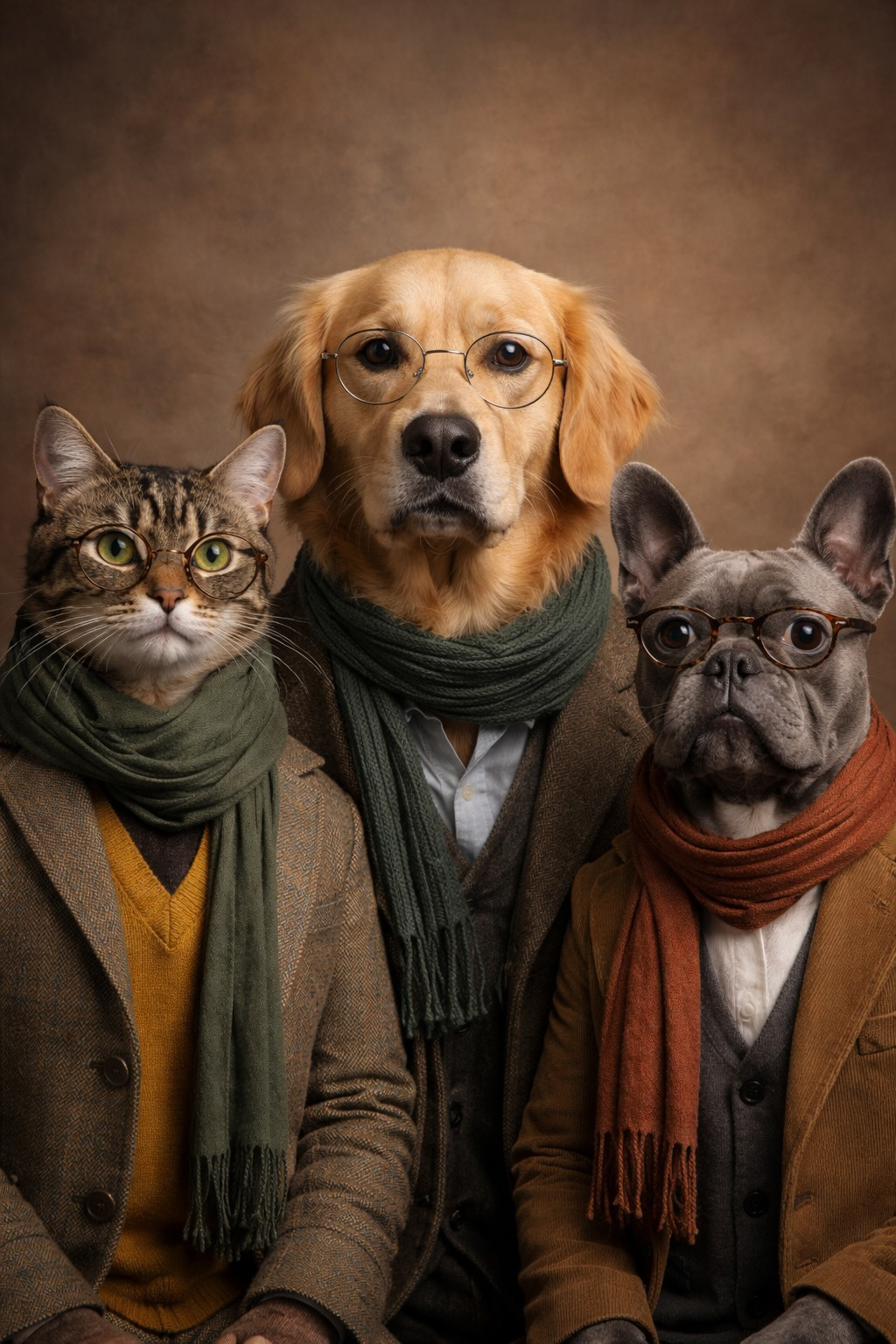
แทนที่จะเริ่มต้นจากการนิยามว่าธรรมชาติหรือวัฒนธรรมคืออะไร บทความนี้ชวนให้ตั้งคำถามที่ลึกกว่านั้นว่า มนุษย์วางตนเองไว้ตรงไหนท่ามกลางสิ่งมีชีวิตอื่น และเหตุใดสิ่งที่ไม่ใช่มนุษย์ สัตว์ พืช ภูมิประเทศ จึงถูกผลักให้กลายเป็น “สิ่งที่ไม่มีเสียง” ในระเบียบความคิดและกฎหมายของสังคมสมัยใหม่ ตัวอย่างเรื่องสัตว์เลี้ยงถูกใช้เพื่อทำให้เห็นความย้อนแย้งระหว่างความใกล้ชิดทางอารมณ์กับการขาดสถานะทางการเมืองและกฎหมายอย่างชัดเจน
สำหรับนักศึกษา บทความนี้ไม่จำเป็นต้องอ่านในฐานะ “ความรู้ที่ต้องท่องจำ” แต่ควรอ่านในฐานะเครื่องมือในการฝึกตั้งคำถาม เช่น เหตุใดความรักหรือความผูกพันจึงไม่เพียงพอที่จะทำให้สิ่งมีชีวิตหนึ่งกลายเป็น “บุคคล” หรือเส้นแบ่งธรรมชาติ/วัฒนธรรมยังทำงานอย่างไร แม้ในความสัมพันธ์ที่เราคิดว่าใกล้ชิดและอบอุ่นที่สุด
ขอแนะนำให้อ่านบทความนี้ควบคู่กับต้นฉบับเต็มของ Philippe Descola เพื่อให้เห็นโครงสร้างทางความคิดอย่างครบถ้วน อย่างไรก็ตาม ไฟล์ PDF ของบทความฉบับเต็มไม่ได้เปิดเผยสาธารณะ นักศึกษาที่ประสงค์จะอ่านฉบับเต็มกรุณาติดต่อขออนุญาตจากผู้เขียนโดยตรงก่อนการนำไปใช้ เพื่อเคารพสิทธิ์และขอบเขตการเผยแพร่ทางวิชาการ
This article is written to invite students to reconsider a foundational assumption that is often taken for granted in anthropology and the social sciences: the division of the world into “nature” and “culture” as if this distinction were clear-cut and universal. Drawing primarily on the work of Philippe Descola, the article uses this framework to raise ontological questions about the modern world.
Rather than beginning with definitions of what nature or culture is, the article encourages readers to pose a more fundamental question: where do humans situate themselves among other living beings, and why are non-human entities—animals, plants, landscapes—so often rendered “voiceless” within the epistemological and legal orders of modern society? The example of companion animals is employed to illuminate the tension between emotional intimacy and the absence of political and legal status in a particularly concrete way.
For students, this article should not be read as a body of knowledge to be memorized. Instead, it is intended as a conceptual tool for practicing critical questioning. For instance, why are love or emotional attachment insufficient to confer personhood on a living being? How does the nature/culture divide continue to operate even within relationships that we perceive as the most intimate and affectionate?
Readers are encouraged to engage with this article alongside Philippe Descola’s original work in order to grasp the full structure of his theoretical argument. However, the full-text PDF of this article is not publicly available. Students who wish to consult the complete version are kindly requested to seek permission directly from the author prior to use, in order to respect academic rights and the conditions of scholarly circulation.