บทความนี้มุ่งสำรวจการก่อรูปและการแสดงออกของ “อัตลักษณ์พันทาง” ผ่านการปฏิบัติการทางวัฒนธรรมของกลุ่มข้าวยำการละคร ในบริบทของสังคมพหุวัฒนธรรมชายแดนใต้ โดยเฉพาะพื้นที่ปัตตานีซึ่งเป็นพื้นที่ที่ความหลากหลายทางชาติพันธุ์ ศาสนา และประวัติศาสตร์การเมืองซ้อนทับกันอย่างเข้มข้น บทความตั้งคำถามต่อความเข้าใจอัตลักษณ์ในฐานะสิ่งตายตัว หากเสนอให้อัตลักษณ์ถูกมองในฐานะกระบวนการที่ถูกผลิต ซ้ำ และต่อรองผ่านการปฏิบัติการเชิงสัญลักษณ์ในชีวิตประจำวัน
ในเชิงทฤษฎี บทความอาศัยกรอบแนวคิดเรื่องอัตลักษณ์ วัฒนธรรม และความเป็นพันทาง (hybridity) เพื่ออธิบายความสัมพันธ์ระหว่างศิลปะการแสดง พื้นที่ทางสังคม และตัวแสดงทางวัฒนธรรม โดยให้ความสำคัญกับการมองการแสดงไม่ใช่เพียง “ตัวบท” หากแต่เป็นเหตุการณ์ (event) และสนามปฏิบัติการ (site of practice) ที่เปิดให้เห็นการเคลื่อนไหวของความหมาย อำนาจ และความเป็นไปได้ทางอัตลักษณ์ในสังคมพหุ
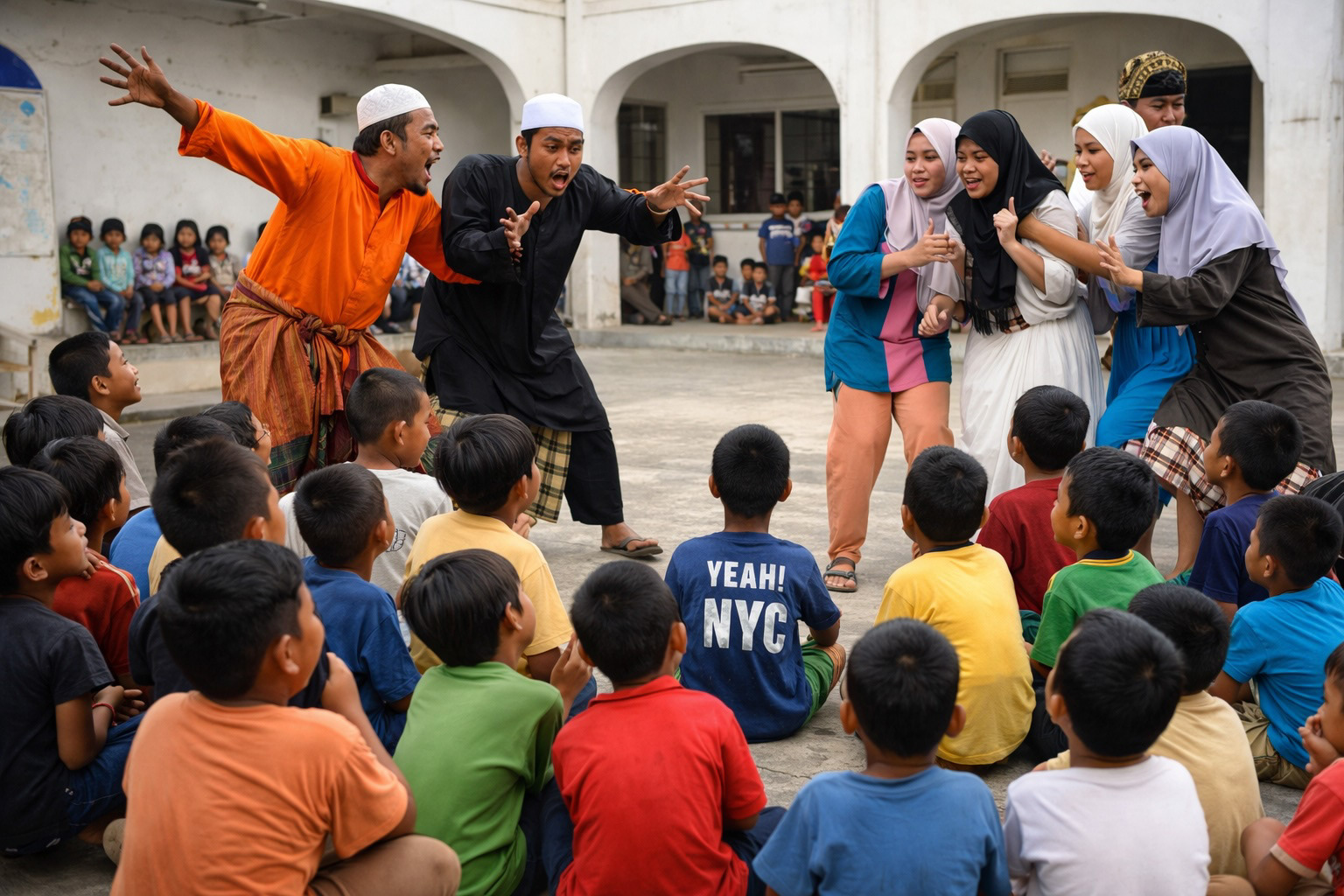
กรณีศึกษาของกลุ่มข้าวยำการละครถูกนำเสนอผ่านรายละเอียดเชิงชาติพันธุ์วรรณนา ตั้งแต่กระบวนการรวมตัว การเคลื่อนขบวน การเข้าร่วมของเด็กและผู้ชม ไปจนถึงการที่พื้นที่สามัญอย่างลานปูนซีเมนต์ถูกแปรสภาพเป็นเวทีการแสดง ภาพเหล่านี้มิได้เป็นเพียงฉากหลัง หากทำหน้าที่เผยให้เห็นพลวัตของการสร้างพื้นที่วัฒนธรรมร่วม และการต่อรองความหมายของความเป็น “เรา” ในบริบทที่เต็มไปด้วยความแตกต่าง
บทความชิ้นนี้จึงมิได้มุ่งเสนอคำตอบสำเร็จรูปเกี่ยวกับอัตลักษณ์ในสังคมพหุ หากเชื้อเชิญผู้อ่านให้ติดตามกระบวนการที่อัตลักษณ์ถูกกระทำ ถูกทำให้ปรากฏ และถูกทำให้มีชีวิต ผ่านศิลปะการแสดงพื้นถิ่นร่วมสมัย การอ่านบทความนี้อาจช่วยเปิดพื้นที่ให้ตั้งคำถามใหม่ต่อความสัมพันธ์ระหว่างวัฒนธรรม การแสดง และการอยู่ร่วมกันภายใต้เงื่อนไขของความหลากหลายอย่างไม่ราบเรียบ
This article examines the formation and expression of “hybrid identity” through the cultural practices of the Khaoyam Karnlakhon theatre group within the context of a multicultural society in Thailand’s southern border region, particularly Pattani. Pattani constitutes a social space where ethnic diversity, religious difference, and layered political histories intersect with notable intensity. Rather than treating identity as a fixed or essentialized category, the article problematizes such assumptions by proposing identity as a process—one that is continuously produced, reproduced, and negotiated through symbolic practices in everyday life.
Theoretically, the article draws upon conceptual frameworks of identity, culture, and hybridity to elucidate the relationships among performance, social space, and cultural actors. It emphasizes an understanding of performance not merely as a “text,” but as an event and a site of practice through which meanings, power relations, and possibilities of identity are mobilized and rendered visible within a plural social landscape.
The case study of the Khaoyam Karnlakhon group is presented through ethnographic detail, ranging from processes of collective formation and procession, to the participation of children and audiences, and to the transformation of an ordinary concrete courtyard into a performance stage. These scenes do not function simply as background descriptions; rather, they reveal the dynamics of producing shared cultural space and negotiating the meaning of “we-ness” within a context marked by difference.
Accordingly, this article does not seek to offer definitive answers regarding identity in a multicultural society. Instead, it invites readers to trace the processes through which identity is enacted, made visible, and animated through contemporary local performance practices. Engaging with this article may open up new avenues for questioning the relationships among culture, performance, and coexistence under conditions of uneven and non-harmonious diversity.